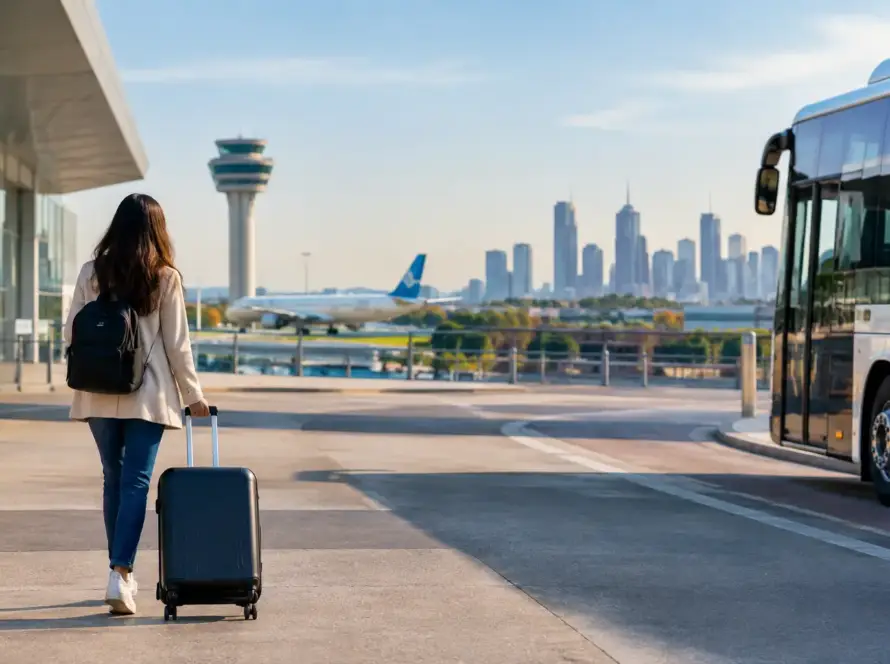
A conference can run to the minute inside the venue and still feel disorganised if delegates arrive late, key speakers are left searching for a car, or groups are split across several rides. Professional conference transport gives organisers control over one of the most visible parts of the event: how guests arrive, move between locations and leave.
For Melbourne conferences, transport planning is rarely just about getting from A to B. It is about protecting the timetable, making a strong first impression and giving VIPs, interstate guests and teams a comfortable journey after a flight, a full programme or an evening function.
Start with the delegate journey, not the vehicle
The most effective transport plan follows the guest experience from start to finish. Consider where people are coming from, when they need to arrive, what luggage they may have and whether they are travelling alone or with colleagues. Airport arrivals, hotel pickups, venue transfers, off-site dinners and final departures each need a slightly different approach.
A keynote speaker landing at Melbourne Airport may need a meet-and-greet service, assistance with luggage and direct travel to their hotel or venue. A group attending a conference dinner may be better suited to travelling together in a Mercedes V-Class or larger people mover. Keeping colleagues in one vehicle makes conversation easier, reduces missed pickups and ensures the group arrives together.
This is why vehicle selection should come after the itinerary is clear. An executive sedan is ideal for one to three passengers seeking privacy and a quiet space before an important appearance. SUVs provide additional room for luggage and small teams. Premium vans and Sprinters are suited to group movements, particularly when delegates have conference materials, overnight bags or airport luggage.
Build a conference transport schedule with breathing room
Event schedules often allow only enough time for the official programme. Ground transport needs its own practical allowances. Melbourne traffic, peak-hour congestion, major sporting events, roadworks and wet weather can all affect travel times. A well-planned schedule accounts for those variables before they become a problem.
For airport transfers, allow time for baggage collection, terminal walking distances and flight variability. For hotel-to-venue movements, factor in lobby assembly, lift waits and the time needed for guests to board comfortably. If a group needs to be seated at 8.30 am, a pickup time that merely matches the map estimate is usually too tight.
It also helps to stagger arrivals where possible. Rather than having every delegate reach registration at once, arrange timed pickup windows for different groups. This reduces pressure at hotel entrances and venue drop-off zones, while allowing organisers to manage welcome desks more easily.
A professional chauffeur service monitors the agreed itinerary closely and communicates clearly when adjustments are needed. That matters when a flight is delayed, a session runs over time or an evening event finishes earlier than expected.
Choose vehicles around people, luggage and purpose
Premium transport is not only about appearance, although that does matter for client-facing events. It is about choosing a vehicle that gives every passenger enough space to travel comfortably.
A common mistake is booking to the maximum seat count without considering luggage. A vehicle that seats six passengers may not be appropriate for six delegates arriving from interstate with large suitcases, carry-on bags and event equipment. Sharing accurate passenger and luggage details early helps avoid an uncomfortable fit or the need for an additional vehicle at the last minute.
For executive movements, a luxury sedan or SUV presents a polished arrival and offers a calm environment for calls, notes or quiet preparation. For teams, a Mercedes V-Class provides the advantage of travelling together without compromising on comfort. Larger group options are especially useful for transfers between convention venues, hotels, restaurants and airport terminals.
The right choice depends on the journey. A short transfer across the CBD may call for a compact executive solution, while a full-day programme with several stops requires room, flexibility and a chauffeur who understands the running order.
Make arrivals feel considered
Delegates notice the details before they reach the registration desk. A clean prestige vehicle, a courteous chauffeur and a clear pickup process set a professional tone. For international visitors and senior executives, this can be the difference between a stressful arrival and a reassuring start to the event.
Meet-and-greet arrangements are particularly valuable at Melbourne Airport. Instead of asking a tired guest to locate a rideshare pickup area or wait in a taxi queue, a chauffeur can provide a clear point of contact and assist with luggage. Complimentary water and a comfortable cabin are small touches, but they are appreciated after a long flight.
The same consideration applies to accessibility and family requirements. If delegates are travelling with children, child seats should be requested in advance. If a passenger has additional mobility needs, the transport provider should know before the day so that suitable arrangements can be made.
Give one person ownership of the transport plan
Conference logistics become difficult when pickup information sits across emails, text messages and separate booking confirmations. Appoint one transport contact on the organiser’s side and provide one clear itinerary to the chauffeur team. That itinerary should include passenger names, mobile numbers where appropriate, flight details, pickup locations, venue entrances and the event contact for on-the-day changes.
For larger programmes, a simple movement sheet is invaluable. Include each transfer, the number of passengers, luggage requirements, vehicle type, pickup time, destination and any special instructions. It is also worth confirming whether the venue has a designated coach or chauffeur drop-off point, loading restrictions or parking limitations.
The goal is not to overcomplicate the process. It is to ensure drivers have the information they need and event staff are not trying to solve preventable questions while managing delegates.
Use hourly hire for programmes that may shift
Point-to-point transfers work well when the schedule is fixed. However, conference days do not always run exactly as planned. A speaker may need to leave early for an airport flight, clients may decide to continue a meeting at another location, or a venue change may be needed at short notice.
Hourly or daily chauffeur hire gives organisers more flexibility in these situations. The vehicle and chauffeur remain available within the booked period, allowing the itinerary to adapt without arranging a new ride for every movement. This is particularly useful for executive hosts, VIP speakers, visiting leadership teams and event managers moving between venues.
There is a cost trade-off. Hourly hire can be more expensive than a straightforward transfer if the vehicle spends long periods waiting. Yet for a busy agenda with uncertain timings, the value lies in responsiveness, continuity and the confidence that transport is ready when required.
Plan evening functions with the same care as morning arrivals
Conference dinners, cocktail events and awards nights are often where transport arrangements are overlooked. Guests may leave at different times, venues can be harder to access after dark, and a polished end to the evening matters just as much as a strong opening.
Pre-booked return transport removes uncertainty for delegates who are unfamiliar with Melbourne or prefer not to navigate late-night rideshare demand. It also supports responsible event planning where alcohol is being served. For groups, scheduled departures keep colleagues together and reduce the risk of someone being left behind.
Silver Chauffeur Melbourne can support conference organisers with chauffeur-driven sedans, SUVs, Mercedes V-Class vehicles, Sprinters and group options for up to 10 passengers. The focus is on punctual pickups, clear communication and comfortable travel that reflects the standard of the event.
The best transport plan is one delegates barely need to think about. They step out of the terminal, hotel or venue at the expected time, find their chauffeur ready, and arrive feeling composed, welcomed and ready for what is next.