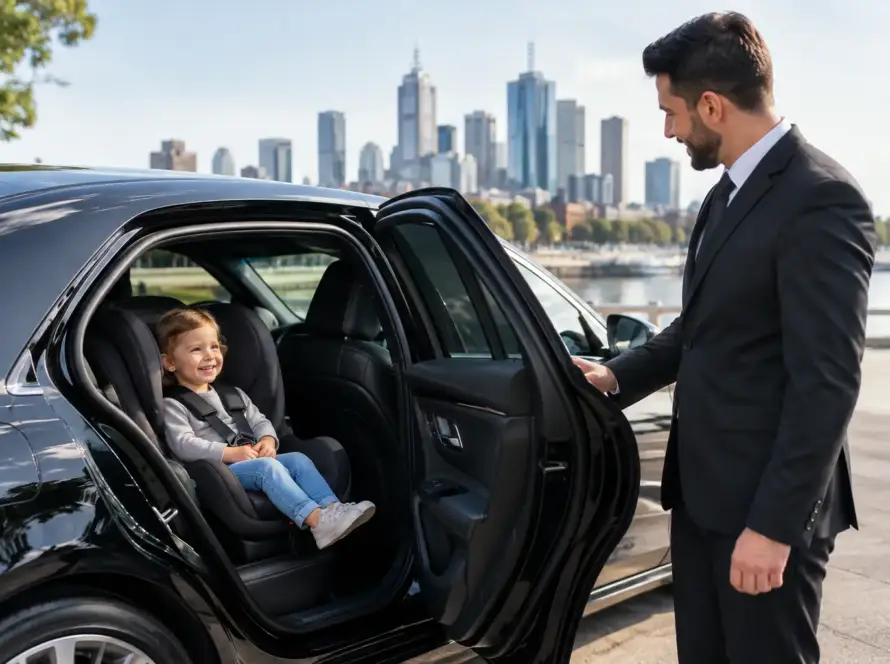
A late arrival can change the feel of an entire event. It can leave a keynote speaker waiting at the kerb, separate a wedding party before photographs, or send guests searching for a venue entrance in unfamiliar traffic. A considered event transport planning guide starts with one aim: every guest should arrive calm, comfortable and where they need to be.
For corporate functions, weddings, race days, concerts, private dinners and major celebrations across Melbourne, transport is not an afterthought. It is part of the guest experience. The right plan accounts for timing, vehicle space, luggage, accessibility, venue access and the small details that make travel feel properly looked after.
Start with the event run sheet, not the vehicle
The vehicle should suit the journey, but the journey must first suit the event. Begin with the non-negotiable times: guest arrival, ceremony or registration, speeches, meal service, venue access windows and final departures. Then work backwards.
If a corporate guest needs to be seated for a 9.00 am presentation, schedule their arrival with enough allowance for Melbourne peak-hour traffic, security sign-in and a walk through a large venue. For a wedding, the bridal party may need to arrive well ahead of guests, while a separate collection time is needed after the reception. A race day booking can require a different approach again, particularly where road closures and crowded drop-off zones apply.
Build in a practical buffer rather than relying on ideal traffic conditions. Ten minutes may be enough for a local transfer on a quiet Sunday morning. It is rarely enough for a Friday afternoon trip into the CBD, a major event at the MCG, or airport arrivals during a busy flight period.
Map every movement
Many event transport plans fail because they only cover the first trip. Consider the full sequence: airport or hotel collection, transfers to the venue, inter-venue travel, photo stops, late-night returns and any next-day airport departure.
For multi-stop occasions, hourly hire can be more suitable than separate point-to-point bookings. It keeps a professional driver and premium vehicle available while plans move slightly, speeches run over or guests decide to continue to another venue. For a simple hotel-to-event transfer, a scheduled one-way service may offer better value and a clearer itinerary.
Match passenger numbers to real comfort
A vehicle described as suitable for six passengers may be ideal for six people travelling light to dinner. It may not be the best choice for six wedding guests with formalwear, handbags, overnight bags and a few umbrellas. Passenger capacity and luggage capacity should always be assessed together.
Executive sedans are well suited to individual VIPs, senior executives and couples. Luxury SUVs provide extra room for travellers carrying luggage or equipment. Mercedes V-Class vans give small groups the benefit of travelling together without compromising on comfort, while Sprinters and larger people-moving options can support groups of up to 10 passengers.
Keeping a group together has a genuine operational advantage. It reduces missed meeting points, avoids staggered arrivals and means everyone receives the same updates. For event hosts, it also removes the need to manage several rideshare bookings and reimbursement receipts.
Do not forget special requirements. Child seats should be requested at the time of booking, not on the day. Guests with mobility needs may need extra time getting in and out, a vehicle with easier access, or a drop-off point closer to the entrance. If guests are arriving from interstate or overseas, confirm whether they will carry large suitcases, sporting gear, prams or presentation materials.
Give drivers the information guests often miss
A precise address is useful, but it is not always enough. Melbourne venues can have separate loading docks, service entries, hotel porte-cochères and public entrances on different streets. A driver needs the correct collection and drop-off instructions, especially at convention centres, stadiums, restaurants in laneways and private estates.
Share the event name, venue contact, preferred entrance, booking name and a reliable on-site contact. For larger groups, nominate one transport coordinator who can make decisions quickly if traffic, weather or timing changes. This person should have the driver’s contact details and understand the order in which passengers will be collected.
It also helps to tell guests what to expect. Let them know their pickup time, meeting point, vehicle type and what happens if they are delayed. This is particularly valuable for airport transfers, where flight changes, baggage collection and unfamiliar terminals can create uncertainty. Meet-and-greet support provides a reassuring handover from terminal to vehicle for visiting executives, families and VIP guests.
Plan around Melbourne conditions
Melbourne rewards careful timing. Weather can turn quickly, tram routes affect traffic flow, and large sporting or cultural events can change access to central city streets with little room for improvisation. A polished transport plan allows for these conditions before guests are in the vehicle.
Check whether the venue has timed access restrictions, valet queues or a designated bus and chauffeur zone. Ask about roadworks near the venue and whether there is a safe waiting area if guests are not ready at the exact collection time. For regional events, such as Yarra Valley weddings or winery gatherings, account for longer driving distances, limited mobile reception in some areas and the need for a comfortable return journey after a full day.
Airport travel deserves its own level of detail. Confirm the flight number, airline, terminal, number of passengers and luggage count. Flight monitoring and clear communication are especially valuable when guests land early, arrive late or need time to collect oversized items. For Avalon Airport transfers, allow for the longer distance to Melbourne and avoid scheduling onward commitments too tightly.
Make arrivals feel considered
Premium event transport is not solely about the badge on the bonnet. It is about the feeling guests have when the vehicle arrives on time, the driver knows their name and the journey is quiet, clean and comfortable. Complimentary water, assistance with luggage and professional presentation matter because they remove friction from a busy day.
For corporate transport, this gives executives time to prepare, take a call or simply arrive composed. For weddings, it creates a calm space between locations. For families attending an event, it means children, prams and bags can be managed without navigating parking, traffic or multiple vehicles.
Silver Chauffeur Melbourne plans these details around the occasion, with luxury sedans, SUVs, V-Class vans and larger group options supported by experienced professional drivers. The objective is straightforward: punctual, comfortable travel that reflects well on the host and feels easy for every passenger.
Avoid the common planning gaps
The most expensive transport problem is often not the booking itself. It is the cost of poor coordination. Last-minute vehicle changes, too little luggage space, an unclear pickup point or guests travelling separately can create delays that affect the whole event schedule.
Before confirming transport, check four practical points: the exact number of passengers, their luggage or equipment, all pickup and drop-off locations, and the final timing required at each stop. Then confirm whether the group needs one direct transfer, a return trip, multiple vehicles or flexible hourly availability.
It is also wise to allow for the final departure. At the end of an event, guests may be tired, dressed for the weather earlier in the day, or unfamiliar with the area. A pre-arranged chauffeur pickup offers a safer, more comfortable finish than asking people to arrange their own travel at peak demand.
A final check before event day
In the week before the event, reconfirm passenger names, mobile numbers, flight details where relevant, venue access instructions and the run sheet. On the day, keep the transport coordinator reachable and advise the driver promptly if timings shift. Small updates made early are much easier to accommodate than last-minute changes at the kerb.
Great event transport feels almost invisible to guests. They remember arriving relaxed, travelling in comfort and being looked after from the first collection to the final farewell.